


Sector
Membership and youth infrastructure charity
Membership and youth infrastructure charity
Neuroinclusion in youthwork training
Half day training in virtual classroom for 12 delegates
Last year AFK helped transform the lives of over 724 young people across the UK, so we were delighted about the opportunity to partner with Young Camden Foundation (YCF).
YCF is Camden’s membership and youth infrastructure charity, supporting the borough’s children and youth Voluntary and Community Sector organisations.
Youth workers had consistently told YCF that they lacked the confidence and practical skills needed to work effectively with neurodivergent young people.
While YCF had previously provided neurodiversity awareness training, feedback indicated that this support didn’t fully address the realities of youth work in practice. The training focused primarily on understanding neurodivergent conditions, rather than how youth workers could apply that knowledge in their day-to-day interactions with young people.
In response, YCF recognised the need for a more practice-focused approach. Their aim was not simply to increase awareness, but to equip youth workers with the confidence, strategies and tools needed to make meaningful adjustments and create more inclusive services. The focus shifted from understanding neurodiversity in theory to applying inclusive practice in real-world youth work settings.
Drawing on feedback from YCF, we designed a training programme that combined a clear understanding of neurodivergence with practical strategies for inclusive youth work.
Rather than focusing primarily on the characteristics of different neurodivergent conditions, the programme was structured around the realities of day-to-day youth work in practice. Youth workers explored why neurodiversity matters in youth services, how barriers can affect participation and the steps youth workers can take to create environments where neurodivergent young people can engage fully and confidently.
The training content reflected the situations youth workers were most likely to encounter, ensuring that learning could be applied immediately within youth clubs, outreach work and group activities.
To support the shift from awareness to action, the programme placed a strong emphasis on proactively identifying and removing barriers before they affect a young person’s experience.
Through facilitated discussions, barrier analysis exercises, case studies and practical planning activities, youth workers developed their understanding of inclusive communication, proactive adjustments and effective responses when a young person experiences barriers participating. The training also explored the difference between accessibility and inclusion, helping youth workers understand not only how to make services usable, but how to create a genuine sense of belonging for neurodivergent young people.
A distinctive feature of the programme was the involvement of both a Facilitator and Co-Facilitator with lived experience of neurodivergence. Their experiences helped bring the learning to life, providing real-world examples of both the barriers that neurodivergent people can encounter and the practical adjustments that can make a meaningful difference. This combination of professional expertise, lived experience and interactive learning created a safe space for reflection and discussion, enabling youth workers to build confidence in applying neuroinclusive approaches within their own youth work settings.
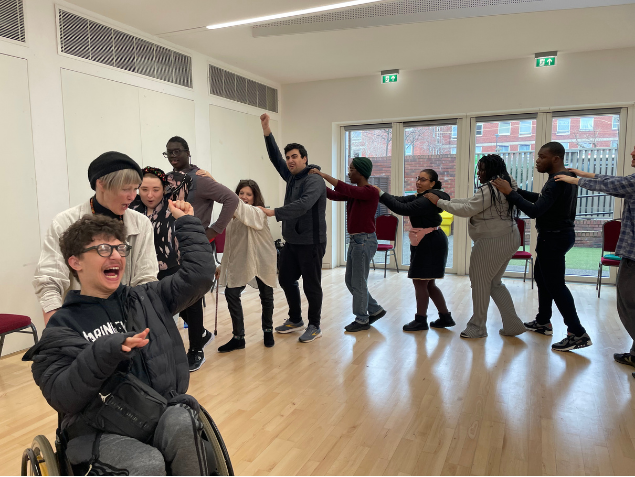
Following the training, youth workers reported a stronger understanding of neurodivergence and greater confidence in supporting neurodivergent young people within their youth work practice.
More importantly, they left with a clearer understanding of how this knowledge could be translated into action. Rather than viewing neurodiversity as a topic to be understood in isolation, youth workers developed a practical framework for identifying barriers, making adjustments and creating more inclusive environments where young people can participate fully.
For YCF, the training provided member organisations with practical tools, evidence-informed strategies and increased confidence to embed neuroinclusive practice across their services.
Feedback suggested that youth workers felt more confident discussing neurodiversity, identifying potential barriers to participation and implementing adjustments that support meaningful inclusion. This was particularly valuable as organisations prepared to deliver summer activities and programmes involving diverse groups of young people.
YCF also highlighted the value of incorporating lived experience throughout the training. Youth workers responded positively to the opportunity to learn directly from Facilitators with personal experience of neurodivergence.
By connecting theory with real-world experiences, the training helped youth workers develop a deeper understanding of the barriers neurodivergent young people can face and the practical steps that youth workers can take to create environments where they feel welcomed, supported and able to thrive.